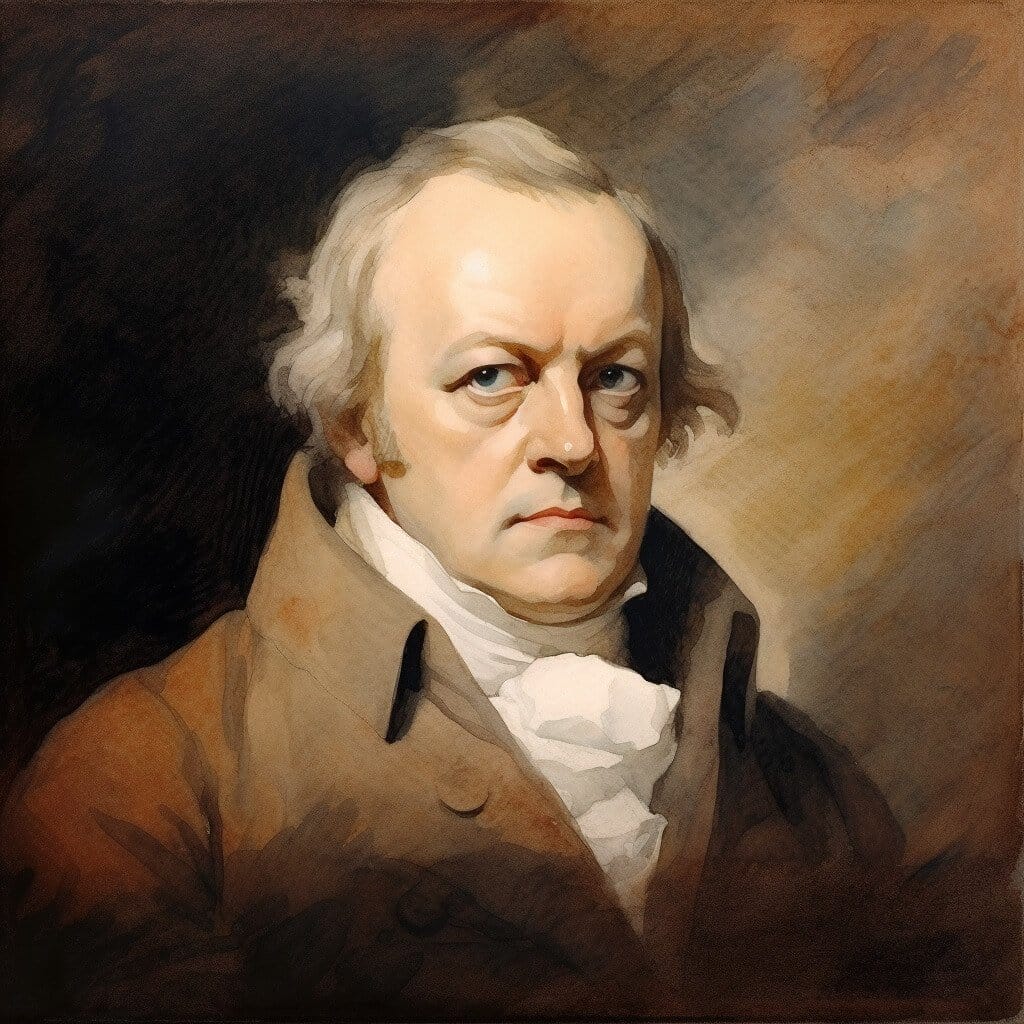
The Sick Rose
By
William Blake (1775-1827)
O Rose thou art sick,
The invisible worm,
That flies in the night,
In the howling storm,
Has found out thy bed
Of crimson joy;
And his dark secret love
Does thy life destroy.
Substance of the poem
The rose is a symbol of love and beauty, but in this poem
it is sick. The worm that has found its bed is
a symbol of something dark and destructive, perhaps even
evil. The worm's love for the rose is "dark
secret love," which suggests that it is a love that
is not meant to be. The worm's love is destroying
the rose, just as evil can destroy love and beauty.
The poem is full of imagery that suggests sickness and
decay. The rose is "sick," the worm "flies in the
night," and the storm is "howling." The
bed of the rose is described as "crimson joy," but this joy is
tainted by the worm's dark love.
The poem ends with a sense of despair. The rose is dying,
and its death is a symbol of the destruction
of love and beauty. The poem suggests that evil is a
powerful force that can destroy even the most
beautiful things.
Title of the poem
The title captures the central image of the poem, which
is a rose that is sick. The word "sick" suggests
that the rose is not well, and that it is in danger of
dying.
The title also suggests the poem's theme, which is the
destructive power of evil. The rose is a symbol
of love and beauty, but it is being destroyed by the
worm, which is a symbol of evil. This suggests
that evil can destroy even the most beautiful things.
The title is also effective because it is short and
memorable. It is easy to remember, and it
immediately evokes the image of a sick rose. This makes
the title an effective way to introduce the
poem and its central image.
1. What
would be the central idea of the poem "Sick rose"?
The central idea of the poem "Sick Rose" by
William Blake is the destructive power of evil. The rose is a symbol of love
and beauty, but it is being destroyed by the worm, which is a symbol of evil.
This
suggests that evil can destroy even the most beautiful
things.
The poem also explores the themes of innocence and
experience. The rose is innocent and pure, but
the worm represents the corrupting influence of
experience. The worm's love for the rose is "dark
secret love," which suggests that it is a love that
is not meant to be. The worm's love is destroying
the rose, just as evil can destroy love and beauty.
2. What is the Allegorical
significance of the poem: Sick Rose”?
The allegorical significance of the poem "Sick
Rose" by William Blake is complex and has been
interpreted in many ways.
The rose represents innocence and purity, while the worm
represents evil or experience. The poem is
a warning about the dangers of temptation and sin. The
poem is a metaphor for the Fall of Man. The
poem is a commentary on the nature of love and loss.
The poem is full of symbolism that can be interpreted in
many different ways. For example, the rose's
"bed of crimson joy" can be seen as a symbol of
both physical and spiritual love. The "howling storm"
can be seen as a symbol of the chaos and destruction that
can be caused by evil.
The poem's title, "Sick Rose," is also
significant. The word "sick" can mean both physically ill and
morally corrupt. This suggests that the rose is not only
physically dying, but also spiritually corrupted
by the worm's "dark secret love."
3. What
is the message the poem conveys?
The poem "Sick Rose" by William Blake conveys a
number of messages, but some of the most
common include:
The destructive power of evil. The dangers of temptation
and sin. The nature of love and loss. The
importance of innocence and purity. The poem is full of
symbolism that can be interpreted in many
different ways, but these are some of the most common
messages that readers have found in the
poem.
4. The
poem " Sick rose" States Innocence and experience. -Illustrate it.
The poem "Sick Rose" by William Blake explores
the themes of innocence and experience. The rose
represents innocence and purity, while the worm
represents experience and evil. The poem suggests
that experience can corrupt innocence, and that the world
is a dark and dangerous place.
The poem begins with the speaker addressing the rose,
telling it that it is sick. The rose is a symbol of
innocence and purity, and its sickness suggests that it
has been corrupted by something.
The speaker then tells the rose that the worm's
"dark secret love" is destroying it. The worm's love is
"dark" and "secret," which suggests
that it is a love that is not meant to be. This love is destroying
the rose, just as experience can corrupt innocence.
The poem ends with the rose dying, and its death is a
symbol of the destruction of innocence. The
poem suggests that the world is a dark and dangerous
place, and that experience can corrupt
innocence.
5. What
role does the rose play in the poem?
The rose plays a central role in the poem "Sick
Rose" by William Blake. The rose is a symbol
of innocence and purity, and its sickness suggests that
it has been corrupted by something.
The speaker then goes on to describe the worm, which is a
symbol of experience and evil.
The worm is "invisible," which suggests that it
is a force that cannot be seen or understood.
The worm is also associated with the night and the storm,
which are both symbols of
darkness and chaos.
The speaker then tells the rose that the worm's
"dark secret love" is destroying it. The
worm's love is "dark" and "secret,"
which suggests that it is a love that is not meant to be.
This love is destroying the rose, just as experience can
corrupt innocence.
The poem ends with the rose dying, and its death is a
symbol of the destruction of
innocence. The poem suggests that the world is a dark and
dangerous place, and that
experience can corrupt innocence.
6. What
role does the worm play in the poem?
The worm plays a central role in the poem "Sick
Rose" by William Blake. The worm is a
symbol of experience and evil, and its presence in the
poem suggests that innocence can be
corrupted by experience.
The worm is described as "invisible," which
suggests that it is a force that cannot be seen or
understood. The worm is also associated with the night
and the storm, which are both
symbols of darkness and chaos.
The speaker tells the rose that the worm's "dark
secret love" is destroying it. The worm's
love is "dark" and "secret," which
suggests that it is a love that is not meant to be. This love
is destroying the rose, just as experience can corrupt
innocence.
The worm's presence in the poem suggests that the world
is a dark and dangerous place,
and that experience can corrupt innocence. The worm is a
reminder that we must be careful
not to let the world corrupt our souls.
7.
"O rose thou art sick" - Who is sick and why? Why does the poem
exclaim?
The speaker in the poem "Sick Rose" by William
Blake is addressing a rose that is sick. The
rose is a symbol of innocence and purity, and its
sickness suggests that it has been corrupted
by something.
The speaker then tells the rose that the worm's
"dark secret love" is destroying it. The
worm's love is "dark" and "secret,"
which suggests that it is a love that is not meant to be.
This love is destroying the rose, just as experience can
corrupt innocence.
The speaker exclaims "O rose thou art sick"
because they are concerned about the rose's
condition. They see that the rose is sick, and they know
that this is a sign that something is
wrong. The speaker's exclamation is a warning to the
rose, and it is also a warning to us all.
We must be careful not to let the world corrupt our
innocence. We must protect our souls
from the worm of experience.
8. “That
flies in the night
In the
howling storm”
What
flies in the night? What role does the “Howling storm” play? Why is the warm
called
invisible?
In the poem "Sick Rose" by William Blake, the
line "That flies in the night / In the howling
storm" refers to the worm that is corrupting the
rose. The worm is invisible, which suggests
that it is a force that cannot be seen or understood. The
worm is also associated with the
night and the storm, which are both symbols of darkness
and chaos.
The howling storm plays a number of roles in the poem. It
creates a sense of foreboding and
danger, and it suggests that the worm is a powerful and
destructive force. The storm also
isolates the rose, making it more vulnerable to the
worm's attack.
The worm is called invisible because it is a symbol of
something that is hidden or secret. The
worm's invisibility also suggests that it is a force that
cannot be easily understood or
controlled.
9. “Has
found out thy bed
of
crimson joy.”-Whom does the word “thy” refer to? What did he find and when?
What
does the
expression “crimson joy” suggest?
In the poem "Sick Rose" by William Blake, the
word "thy" refers to the rose. The line "Has
found out thy bed / Of crimson joy" suggests that
the worm has found the rose's bed, which
is a symbol of the rose's innocence and purity. The
worm's "crimson joy" is a destructive
force that is destroying the rose's innocence.
The word "crimson" suggests blood, which is a
symbol of violence and death. The word "joy"
suggests pleasure, but in this context, it is a perverse
pleasure that is destroying the rose.
The line suggests the destructive power of evil. The worm
is a dark and destructive force
that is hidden from view, but its presence is nonetheless
felt. The word "crimson" suggests
the violence and death that the worm will bring to the
rose.
The expression "crimson joy" can also be
interpreted in a more sexual way. The rose is a
symbol of beauty and love, and the worm's "crimson
joy" can be seen as a symbol of sexual
desire. This interpretation suggests that the worm is
corrupting the rose's innocence with its
sexual desire.
10. “And
his dark secret love
Dose thy
life destroy.”- what does the expression “dark secret love” mean? What does the
line suggests?
In the poem "Sick Rose" by William Blake, the
expression "dark secret love" refers to the
worm's love for the rose. The worm's love is
"dark" because it is a destructive force, and it is
"secret" because it is a love that is not meant
to be. The line suggests that the worm's love is
destroying the rose, just as evil can destroy love and
beauty.
The word "dark" can also suggest secrecy or
hiddenness. This suggests that the worm's love
is not something that is openly acknowledged or
expressed. It is a love that is kept hidden,
perhaps even from the rose itself.
The word "secret" can also suggest something
that is forbidden or taboo. This suggests that
the worm's love is a love that is not socially
acceptable. It is a love that is not supposed to
exist.
The line can also be interpreted in a more sexual way.
The rose is a symbol of beauty and
love, and the worm's "dark secret love" can be
seen as a symbol of sexual desire. This
interpretation suggests that the worm is corrupting the
rose's innocence with its sexual
desire.
Ganesh Sir -9088611116
Comments
Post a Comment